

5 signs your clinic should move from paper to software
If your clinic runs into these problems often, it may be time to change how you work
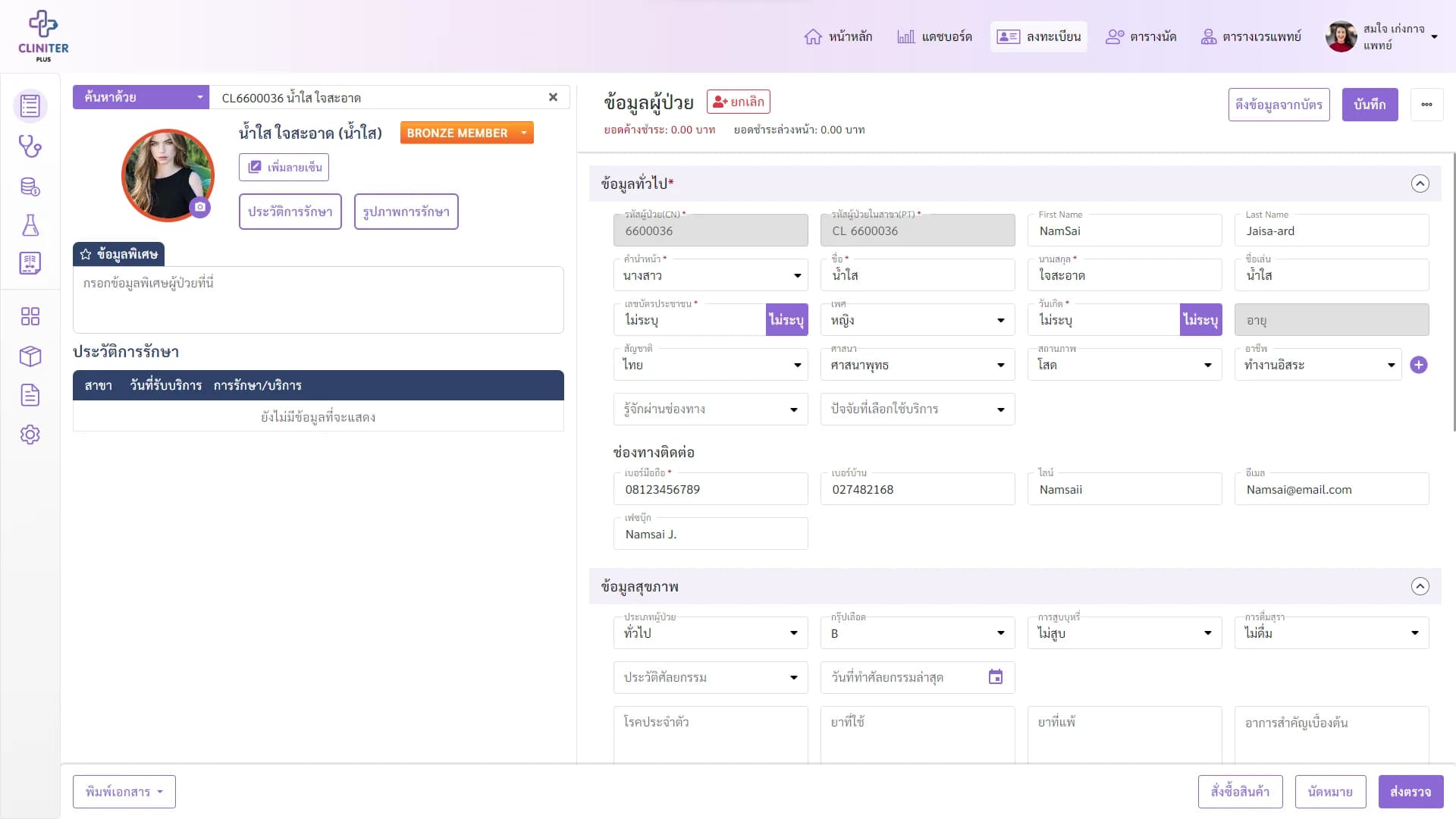
Many clinics start out with paper folders and an appointment book. That works while patient numbers are small, but as the clinic grows, paperwork that used to be manageable becomes a burden. See how many of these signs you recognise.
1. Patient files are hard to find
As the number of folders grows, every search takes longer. If a folder is put back in the wrong place, it may not be found at all on the day the patient arrives.
2. Patients fill in the same details again
Asking patients to write the same information on every visit wastes time on both sides. Clinic management software such as Cliniter reads the details from a national ID card and creates the patient record and OPD card right away.
3. Appointments clash or get forgotten
A single appointment book that everyone shares invites double bookings and missed entries. An appointment calendar in the system shows everyone the same information in real time.
4. The end-of-day totals do not match
When payments and stock are recorded in different places, checking back is difficult. A system that records every transaction in one place lets you audit day by day.
5. The owner cannot see the full picture
If you wait for staff to add up the numbers at the end of every month, decisions are slow too. Summary reports show income and patient numbers at any time.
If two or more of these sound familiar, moving to clinic management software will give your team time back to spend on patients.