

How electronic medical records differ from paper files
Fast to find, easy to read, and not lost along with a folder
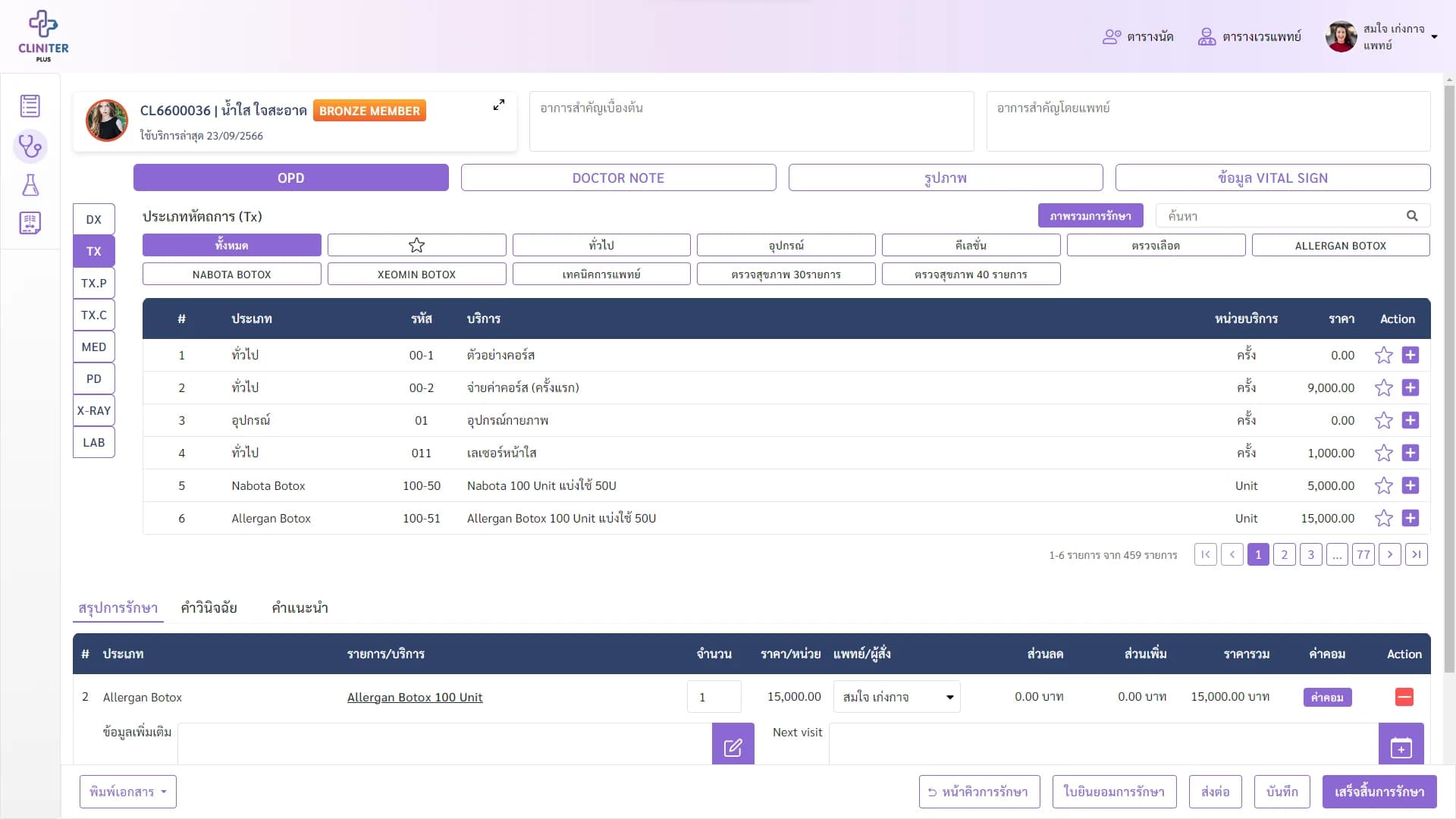
Medical records are at the heart of continuous care. A doctor needs to see the history before deciding on new treatment. When that history is in a paper folder, several limits follow.
Find it instantly
Type the patient's name or number and open the history. No walking to a filing cabinet, and no worrying that the folder is in use in another room.
Easy to read and consistent
Handwriting that is hard to read can cause misunderstanding. Data entered in the system has the same format every time. For doctors who prefer to write, Cliniter's Doctor Note lets them write directly on a touch screen or iPad.
Keep everything about a patient together
Lab results, X-ray images, consent forms, and payment history are all linked to the same patient instead of scattered across folders.
It does not wear out
Paper fades, gets wet, or goes missing. Data in the system can be backed up, and you decide who has access.
Moving to electronic records does not change how a doctor treats patients. It makes sure the information a doctor needs is ready whenever it is needed.